Restaurant Digitalization: Where Do You Start?
Digitalization is no longer reserved for large restaurant chains. Today, 20-seat bistros and 200-seat brasseries alike adopt the same tools to improve profitability. But what does digitalization actually mean in practice, and how do you get started without getting overwhelmed?
What does restaurant digitalization include?
Restaurant digitalization covers all the digital tools that optimize your daily operations: a digital menu accessible by QR code, table ordering system, mobile payment, automatic loyalty program, and analytics dashboard. The goal is twofold: reduce friction for your customers and free up time for your staff.
5 steps to successful digitalization
- Digital menu: replace paper menus with a QR code menu updated in real time
- Table ordering: customers order from their smartphone, tickets go directly to the kitchen
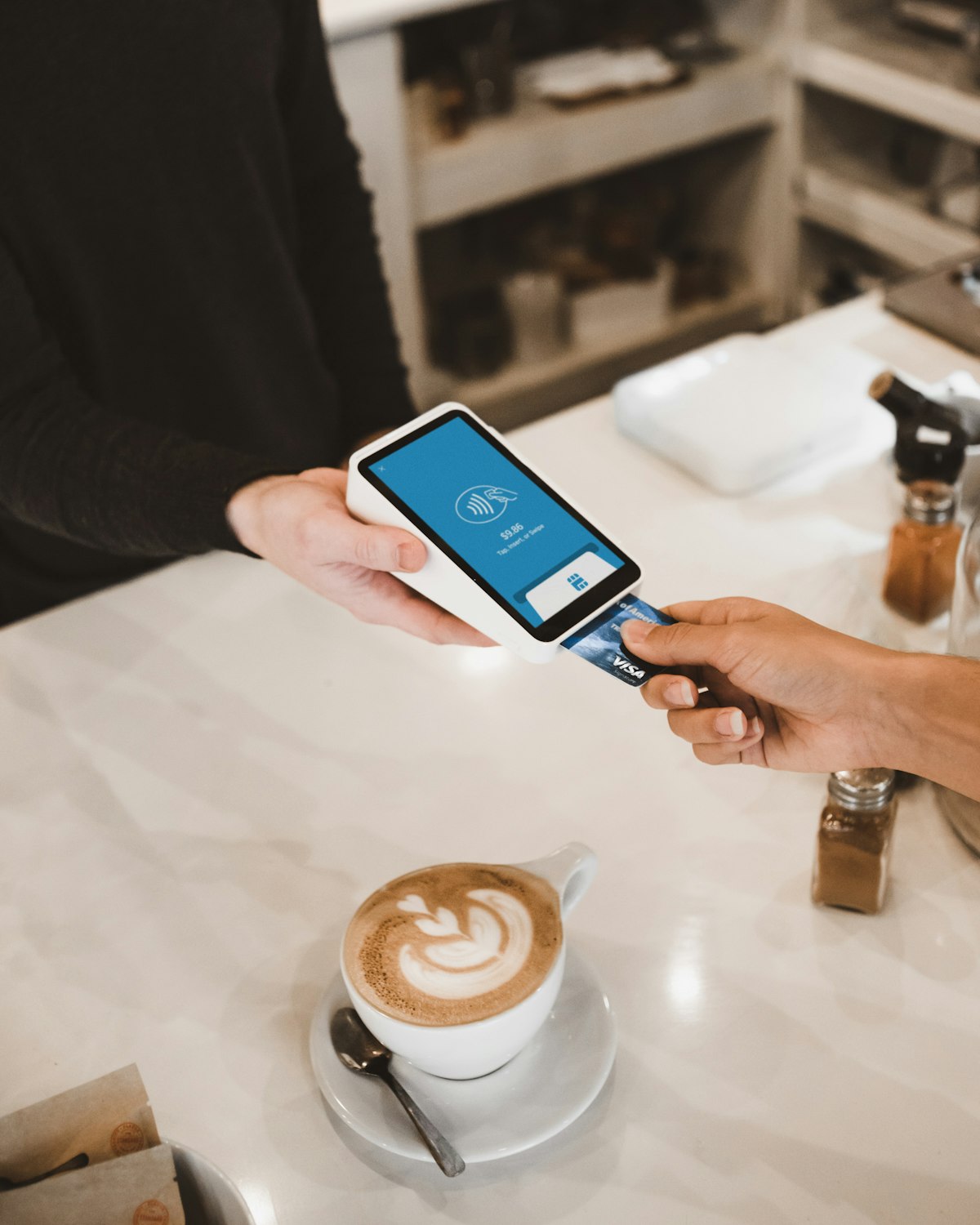
- Mobile payment: customers pay from their phone without waiting for a server
- Automatic loyalty: a cashback program that rewards regulars without any effort on your part
- Analytics: track sales, peak hours and top dishes from a centralized dashboard
What results can you expect?
Restaurants that adopt a complete digitalization solution see concrete results within the first weeks. On average: −40% in wait times, +25% in average basket value thanks to automatic suggestions, and 95% fewer order errors through direct kitchen transmission. For a 40-seat restaurant, this typically means 2 to 3 additional tables served per service.
All-in-one vs. separate tools?
Two approaches exist: assembling multiple specialized tools, or opting for an all-in-one solution. The latter is almost always simpler and less expensive: one interface to learn, one contract, centralized data. With Momix, setup takes less than 24 hours — menu import, table configuration, and your restaurant is operational.
Is digitalization profitable for small restaurants?
Yes. Smaller establishments benefit even more: every table gained through faster turnover counts more toward revenue. Return on investment is typically achieved in 3 to 6 months. And the reduction in order errors is immediate from the very first service.